Col du Pourtalet, 1,794 m
Once you navigate through the narrow streets of Laruns, the D934 road doesn't take a left turn towards the Col d'Aubisque; instead, it continues along the Ossau valley towards the Col du Pourtalet, which is a distance of 29km.


There aren't any particularly savage gradients on the pass, and it's simply the extent of it that makes it such a challenge. It commences dramatically through a tunnel to enter the narrow Gorge du Hourat. Above it lies Eaux-Chaudes, its warm waters still used to treat rheumatoid complaints.
Pic du Midi d'Ossau, the Col du Pourtalet, (1,794 m), Vallée d'Ossau
CLIMB PROFILE: Departing from Laruns: Length 28.7 km, Altitude at depart: 500 m, Altitude at the end: 1,794 m, Average gradient 4.5%, maximum 9%.
It can be achieved in under an hour, depending on your strength and ability.
Although the gradient seldom exceeds 7% beyond this point, the ascent was difficult, but what truly stood out was the sheer grandeur of Pourtalet. During summer, I appreciate the tree cover for some respite. Yet, the vast peaks quickly emerge through the foliage, including the imposing Pic du Midi d'Ossau, soaring at 2,884m, its unique double peak visible from Pau, nearly 60km away. It bears a resemblance to a fish leaping out of the water with its mouth agape. This local gem is affectionately known as 'Jean Pierre' by the French people.
Above the dam at Fabrèges, which holds back the waters of the Gave d'Ossau, the path transitions into more open terrain, with the 2,716m Pic de Soques on the border dominating the vista ahead. Beyond a series of avalanche-protection tunnels, there is a brief stretch of hairpin turns and, further on, a stunning view of the Cirque d'Anèou. The summit is also within reach. The view from the peak is breathtaking, undeniably one of the finest in the region. The shops and eateries on the Spanish side of the mountain pass typically stay open until 7 pm in winter and 8 pm in summer, closing only on Christmas Day.
Starting from Laruns, the Col du Pourtalet climb does not accurately convey the difficulty of this lengthy ascent, with multiple sections exceeding 9%. The first village encountered is Eaux-Chaudes. Here, you'll discover Auberge la Caverne, a quaint bar and restaurant with a terrace that operates throughout the day.


The Alpine forests on the lower slopes primarily line the road, but the latter part of this ascent offers breathtaking views of the rocky peaks of the Pyrenees. Cycling through this refreshing and pristine landscape, you'll see the peaks mirrored in the lakes, waterfalls, and mountain streams.
As you approach the small village of Gabas, your next stop, you can restock your supplies of water and food. Continuing up a few more switchbacks, you'll reach the imposing cliffs of Lake Fabrèges, which tower above you. From there, the journey only gets more impressive.
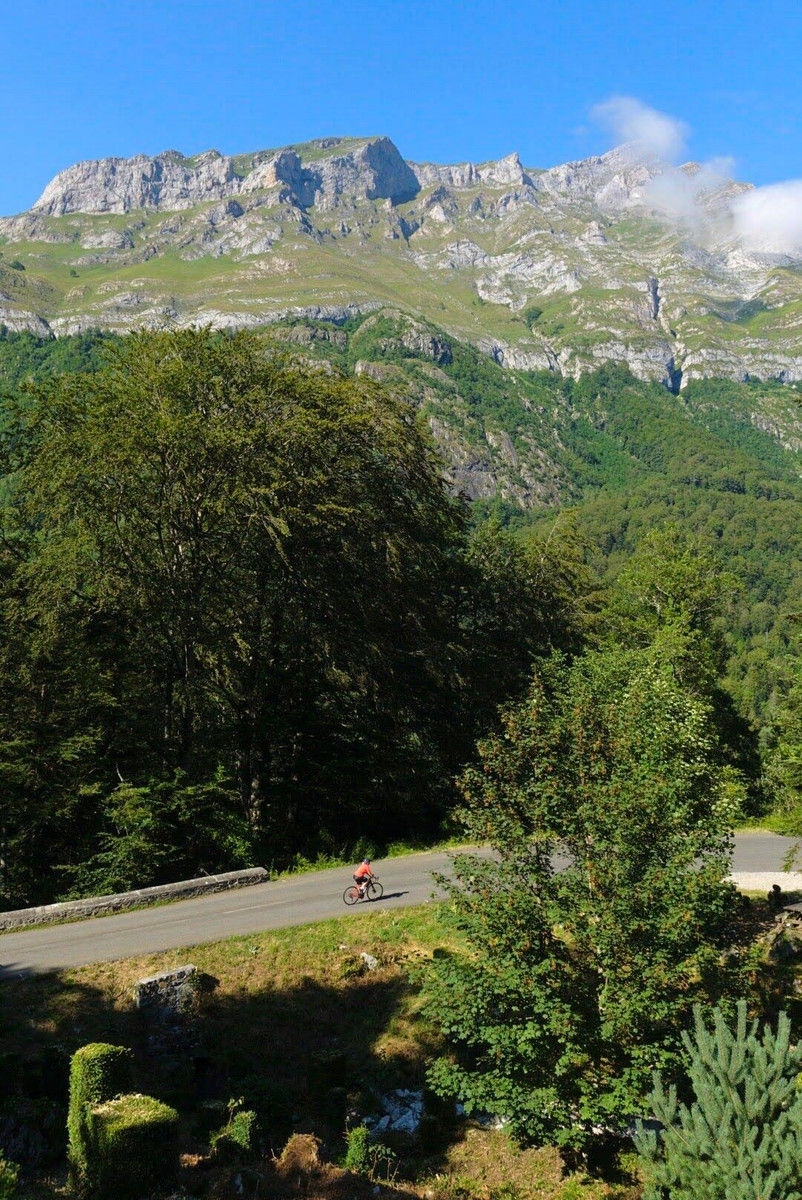
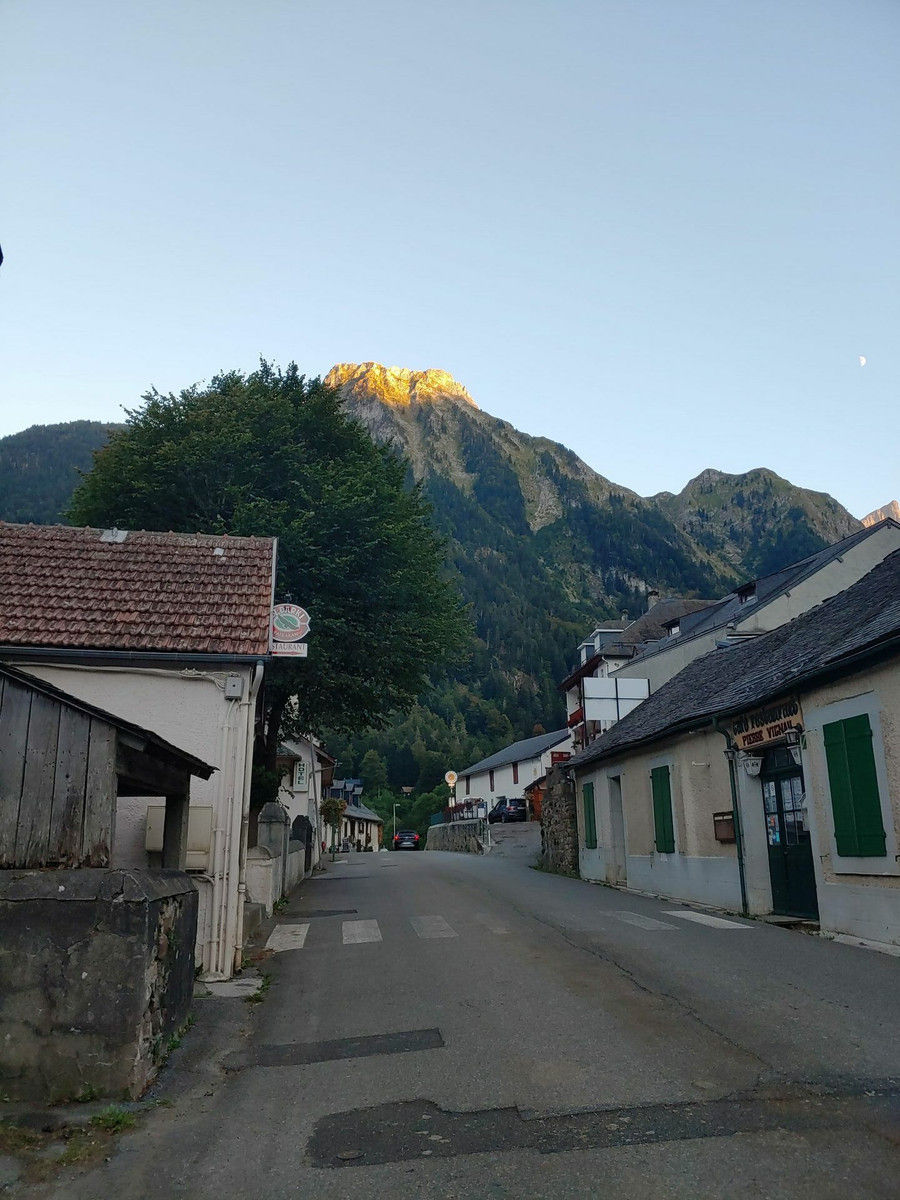

After passing this point, we will arrive at a vast open plateau scattered with glacial erratics, which are rocks and stones that were carried and deposited by a glacier, remaining after the glacier melted. Moving forward, we will traverse four tunnels (avalanche chutes), and from there, the incline increases to an average of 8%, offering breathtaking views.
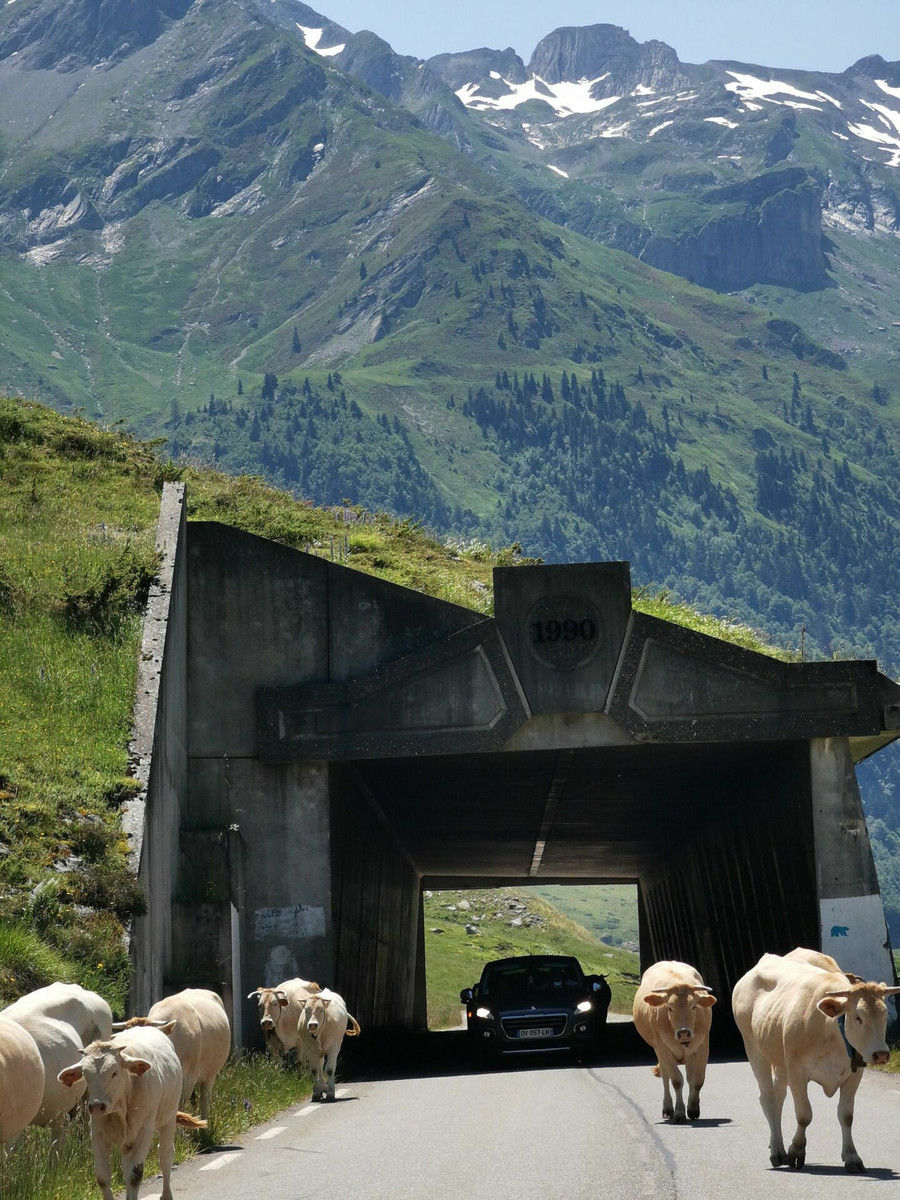


Pic de Soques
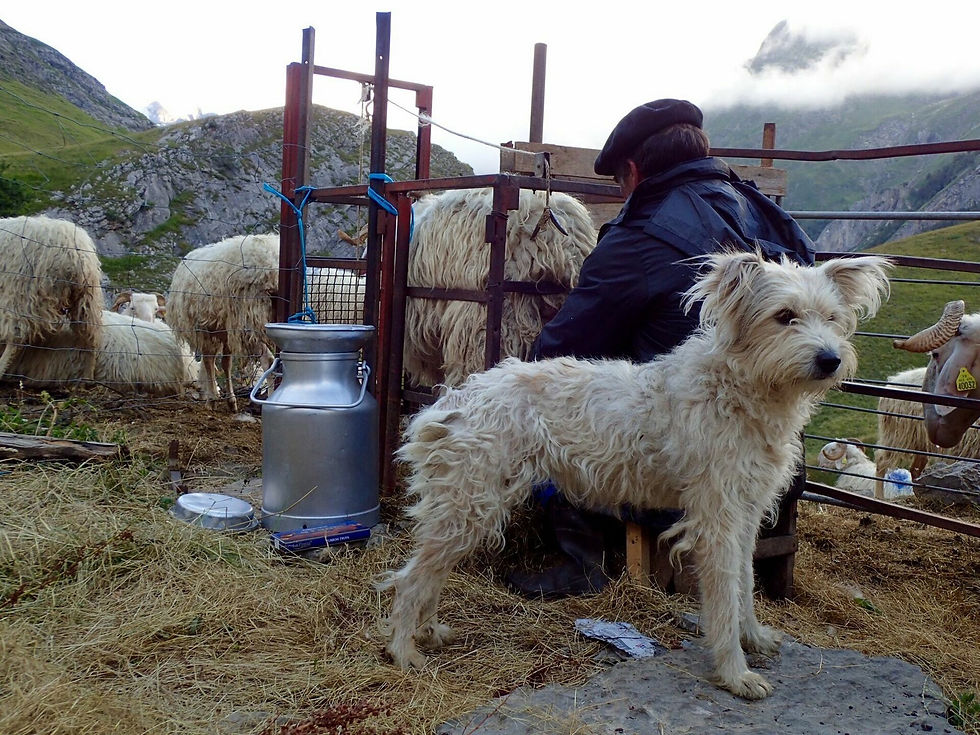


The road is in excellent condition. While there is some traffic on the climb, it mainly consists of cars, and the volume is not enough to significantly affect the enjoyment of the ride. We prefer to ride this route during the week, as weekends and public holidays can attract tourists. It is one of the most scenic routes and is a natural border between France and Spain. As you approach the final kilometres of the climb, the exposed plateau at the summit offers a panoramic view of the French and Spanish Pyrenees, with the iconic Pic du Midi d'Ossau as an additional highlight. The descent is exhilarating, featuring many switchbacks. When cycling in these majestic mountains, always be prepared for wind and sudden changes in weather: r wind and sudden weather changes.


So all those mountains.
While these climbs are neither new nor obscure, they have captivated cyclists globally for many decades. Residing here throughout the year, we take pride in our extensive knowledge of this area of the Pyrenees. The moments shown above capture my greatest experiences, along with countless ordinary moments on lesser-known roads with extraordinary people. This cycle repeats every year, and I am thankful for both this sport and the chance to live in this stunning region. As the seasons change over the years, I still feel the excitement of a novice. I am constantly learning and inspired by the people we meet, some of whom have been riding these mountains for a lifetime, across all age groups. I can only hope to achieve their level of strength one day.


Hi folks , found your blog ,great photos ,happy faces ,love the scenery. Fondest Love Susie and Mike 😉